
What Lasts Longer: Fence Sealant or Stain? A Newark Expert Breakdown
April 13, 2026|
You’re standing in your yard, eyeing that weathered fence and wondering how to protect your investment. Sealant or stain? It’s a decision that’ll impact your property’s durability and appearance for years to come. Newark’s unpredictable climate demands smart choices, and not all wood protection methods are created equal. If you’re curious about which option truly stands up to the elements and gives you the most bang for your buck, keep scrolling. 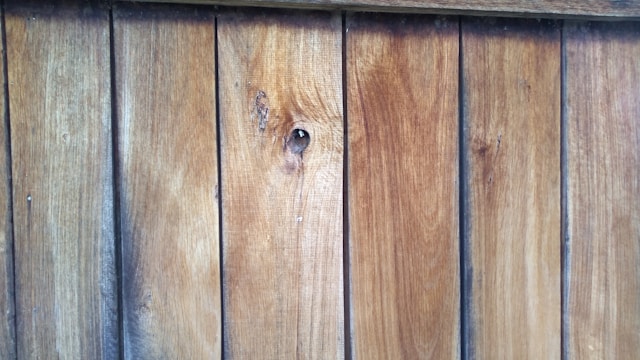 IntroductionWhen considering wood fence protection, homeowners must understand the critical differences between sealants and stains that directly impact their fence’s durability and appearance. Fence sealing vs. staining represents more than just a cosmetic choice—it’s an investment in long-term property maintenance. The right protection method shields your fence from moisture, UV damage, and environmental stress, preventing premature aging and structural degradation. Choosing between sealants and stains isn’t just about immediate appearance, but about understanding each product’s performance characteristics. The best fence stain for longevity will penetrate wood fibers, offer UV protection, and provide a more robust defense against weathering. Your selection determines how effectively you’ll preserve your fence’s structural integrity and aesthetic appeal. Explaining how sealants and stains work including moisture resistance, UV protection, and wood penetrationAt the molecular level, sealants and stains interact with wood surfaces through distinctly different mechanisms of protection. Sealants create a hydrophobic barrier on the wood’s surface, repelling water but offering minimal UV protection. In contrast, stains penetrate deep into wood fibers, binding with the cellular structure and providing comprehensive defense against moisture and solar degradation. When comparing fence sealant vs stain, you’ll find that UV protection for wood fence varies significantly. Sealants primarily sit atop the wood, creating a thin protective layer that can quickly degrade under intense sunlight. Stains, particularly solid variants, contain pigments that absorb and reflect harmful ultraviolet rays, effectively shielding the wood’s cellular integrity from photochemical breakdown and extending the fence’s lifespan. Comparing lifespan, maintenance cycles, and cost differences between sealant and stain in Newark climate conditionsBecause Newark’s climate presents unique challenges for wood fence maintenance, homeowners must carefully evaluate the long-term performance and economic implications of sealants versus stains. While sealants typically require reapplication every 1-3 years, stains offer extended protection lasting 3-5 years in demanding environments. Your fence maintenance strategy in Newark should consider both initial application costs and long-term preservation expenses. Stains provide superior durability by penetrating wood fibers and blocking UV degradation, which translates to fewer maintenance cycles. Although sealants appear cheaper upfront, they’ll demand more frequent reapplication, potentially increasing overall expenses. Professional fence maintenance services can help you calculate precise cost-effectiveness, ensuring your Newark property’s fence remains protected against harsh seasonal variations and environmental stressors. Evaluating factors like sun exposure, wood type, and maintenance preferences when choosing the right optionSince sun exposure, wood type, and maintenance preferences significantly influence fence protection strategies, homeowners must carefully assess multiple variables before selecting between sealants and stains. When considering wood fence protection methods in Newark, NJ, evaluate your specific environmental conditions. Cedar and pine respond differently to treatments, with cedar naturally resisting decay but still benefiting from professional fence staining. UV intensity and moisture levels will determine product longevity, making thorough research critical. If you’re seeking minimal maintenance, solid stains offer superior protection compared to clear sealants. Consider your property’s sunlight patterns, local climate variations, and personal time investment for reapplication. Consulting local fence staining professionals can help you navigate these complex decisions, ensuring your wood fence remains structurally sound and aesthetically pleasing for years to come. ConclusionWhen evaluating long-term wood fence protection, stains consistently outperform sealants due to their superior penetrative properties and UV-blocking pigments. Newark Fence Builders understands how to protect wood fence from weather through professional staining services that extend your fence’s lifespan. Their expert techniques ensure deep pigment penetration and comprehensive protection against environmental challenges.
|
|